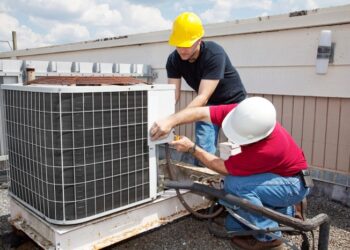
When it comes to emergency AC repair, immediate action is crucial. From identifying signs of trouble to knowing when to seek professional help, this guide covers all you need to know to handle AC emergencies with ease.
Overview of Emergency AC Repair
Emergency AC repair refers to the immediate maintenance and fixing of air conditioning systems that have suddenly malfunctioned or stopped working. This type of service is crucial in situations where the comfort and safety of individuals are compromised due to extreme temperatures or air quality issues.During AC emergencies, taking immediate action is essential to prevent further damage to the system and ensure the well-being of occupants.
Delaying repairs can lead to more extensive and costly issues, as well as discomfort and health risks for those in the space.Common reasons why emergency AC repair may be needed include refrigerant leaks, electrical failures, compressor issues, clogged filters, and thermostat malfunctions.
These issues can result in poor cooling performance, strange noises, strange odors, or complete system failure, necessitating urgent attention from trained professionals to resolve the problems efficiently.
Signs of AC Emergency
In some cases, your AC issues may require immediate attention to prevent further damage or discomfort. Here are some key indicators that suggest an AC emergency and warning signs that homeowners should be aware of.
Strange Noises or Smells
- Unusual grinding or squealing noises
- Burning smells
- Rattling or banging sounds
Complete Loss of Cooling
- Absence of cold air despite the system running
- Warm or hot air blowing from the vents
Leaks or Moisture Build-Up
- Pooling water around the unit
- Frozen coils or ice formation on the AC unit
Electrical Issues
- Frequent tripping of circuit breakers
- Sparks or visible signs of electrical problems
Steps to Take During an AC Emergency
During an AC emergency, it's crucial to act swiftly and effectively to mitigate any further damage to your system. Here is a step-by-step guide on what to do when faced with an AC emergency.
Safety Measures Before DIY Fixes
Before attempting any DIY fixes on your AC system during an emergency, it's important to prioritize safety. Here are some safety measures to consider:
- Turn off the power: Before inspecting or working on your AC unit, make sure to turn off the power to avoid any risk of electric shock.
- Wear protective gear: Always wear gloves and eye protection when handling your AC system to prevent injuries.
- Do not tamper with refrigerant: If you suspect a refrigerant leak, do not attempt to fix it yourself. Contact a professional immediately as refrigerant can be harmful if mishandled.
Tips to Protect Your AC System During an Emergency
During an AC emergency, it's important to take steps to protect your system from further damage. Here are some tips to help safeguard your AC unit:
- Clear the area around the unit: Remove any debris or obstructions near your AC unit to ensure proper airflow and ventilation.
- Check the air filters: Regularly check and replace dirty air filters to prevent strain on your system and maintain optimal performance.
- Monitor the thermostat: Keep an eye on your thermostat settings to ensure your AC system is functioning efficiently and effectively.
Common AC Emergencies
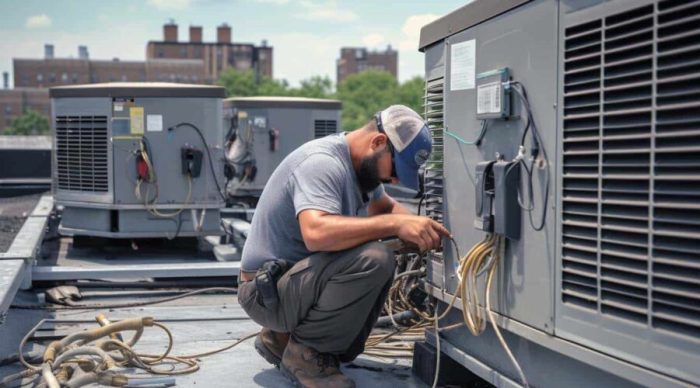
When it comes to air conditioning systems, emergencies can arise unexpectedly, causing discomfort and inconvenience. Below are some common AC emergencies that homeowners may encounter:
Refrigerant Leak
A refrigerant leak can lead to a decrease in cooling performance and potential damage to your AC unit. It can also pose health risks due to exposure to harmful chemicals. If you suspect a refrigerant leak, it is crucial to contact a professional HVAC technician immediately to locate and repair the leak.
Compressor Failure
A compressor failure can result in your AC unit not producing cool air at all. This can be caused by electrical issues, overheating, or general wear and tear. In this case, it is best to turn off your AC unit and seek professional help to assess and repair the compressor.
Electrical Malfunction
An electrical malfunction can cause your AC system to stop working or even pose a fire hazard. If you notice sparks, burning smells, or frequent tripping of circuit breakers, it is crucial to shut off the power to your AC unit and contact an electrician or HVAC technician immediately.
Frozen Evaporator Coil
A frozen evaporator coil can restrict airflow and cause your AC unit to malfunction. This can be due to issues with airflow or refrigerant levels. To address this emergency, turn off your AC unit and allow the coil to thaw.
Check for any blockages or air filter issues that may be causing the coil to freeze.
DIY vs. Professional Help
When faced with an emergency AC repair situation, homeowners often debate whether to attempt a DIY fix or seek professional help. Both options have their advantages and disadvantages, depending on the complexity of the issue and the individual's skill level.
DIY Repairs during an AC Emergency
While attempting a DIY repair during an AC emergency may seem like a cost-effective solution, it's essential to consider the following factors:
- Advantages:
- Immediate action: DIY repairs allow for quick action without having to wait for a technician to arrive.
- Cost-saving: DIY repairs can save money on service fees, especially for minor issues.
- Disadvantages:
- Safety risks: Working with electrical components without proper knowledge can be dangerous.
- Potential damage: Incorrect repairs can lead to further damage to the AC system.
- Lack of expertise: Some complex issues require professional knowledge and tools.
Seeking Professional Help for Emergency AC Repairs
Knowing when to call a professional HVAC technician is crucial to ensure the safety and efficiency of the repair:
- When to Seek Help:
- Loss of cooling: If the AC is not cooling the space effectively, it's time to call a professional.
- Strange noises: Unusual sounds coming from the AC unit indicate a potential problem that requires expert attention.
- Electrical issues: Any electrical issues, such as tripped breakers or burnt wires, should be addressed by a professional.
Selecting a Reliable HVAC Technician for Emergency Situations
Finding a trustworthy professional for emergency AC repairs is essential to ensure quality service and lasting solutions:
- Research: Look for licensed and insured HVAC companies with positive reviews and a good reputation in the industry.
- Experience: Choose technicians with extensive experience in handling emergency AC repairs to ensure efficient solutions.
- 24/7 Availability: Opt for HVAC companies that offer round-the-clock emergency services to address urgent repair needs.
- Cost Estimates: Obtain detailed cost estimates from multiple technicians to compare pricing and services before making a decision.
Wrap-Up
In conclusion, being prepared and informed about emergency AC repair can save you time, money, and discomfort. Remember to stay vigilant for signs of trouble and always prioritize safety when dealing with AC emergencies.
Question & Answer Hub
What are some common signs that indicate an AC emergency?
Unusual noises, lack of cool air, and sudden spikes in energy bills are all signs that your AC may be in need of emergency repair.
Is it safe to attempt DIY fixes during an AC emergency?
It's best to prioritize safety and consult a professional during AC emergencies, as DIY fixes can sometimes cause more harm than good.
How do I select a reliable HVAC technician for emergency AC repairs?
Look for certifications, read reviews, and ask for recommendations from friends or family to ensure you choose a trustworthy HVAC technician for emergency situations.