From setting the mood to boosting productivity, room interior design plays a crucial role in shaping our everyday lives. By carefully considering elements like lighting, color schemes, and furniture arrangement, we can create spaces that are not only functional but also visually appealing.
Let's delve into the world of room interior design and discover how it can transform our living spaces.
Importance of Room Interior Design
Room interior design plays a significant role in influencing our mood, productivity, and overall well-being. A well-designed room can have a positive impact on our mental state and enhance our daily activities.
Impact on Mood and Productivity
Thoughtfully designed room interiors can create a calming and inspiring atmosphere, leading to improved mood and increased productivity. For example, a clutter-free workspace with adequate lighting and comfortable furniture can promote focus and creativity.
Enhancing Functionality and Aesthetic Appeal
Well-designed room interiors not only enhance functionality but also add to the aesthetic appeal of a space. Clever storage solutions, ergonomic furniture, and a cohesive color scheme can transform a room into a practical and visually pleasing environment.
Influence on Overall Well-being
Room interior design can have a profound impact on our overall well-being. Natural elements, such as plants and natural light, can improve air quality and create a sense of tranquility. Additionally, incorporating personal touches and meaningful decor can contribute to a sense of comfort and happiness in a space.
Elements of Room Interior Design
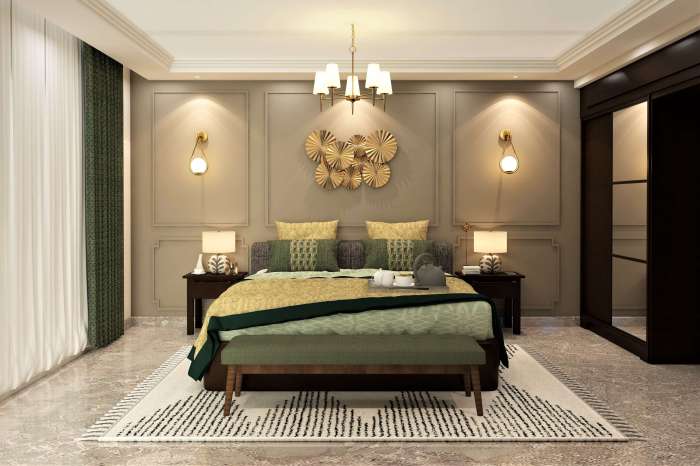
When designing a room interior, there are several key elements to consider in order to create a cohesive and visually appealing space. These elements include lighting, color scheme, furniture arrangement, textures, and patterns.
Lighting
Proper lighting is essential in interior design as it can affect the mood and functionality of a room. It is important to have a mix of ambient, task, and accent lighting to create a well-lit space that serves different purposes.
Color Scheme
The color scheme sets the tone for the room and can greatly impact the overall feel. Choosing a cohesive color palette that complements the furniture and accessories in the room is crucial. Additionally, understanding color psychology can help in creating the desired atmosphere.
Furniture Arrangement
The way furniture is arranged in a room can make a significant difference in how the space feels and functions. Consider the flow of traffic, focal points, and balance when arranging furniture to ensure a harmonious layout.
Textures and Patterns
Textures and patterns add depth and visual interest to a room. Mixing different textures such as smooth, rough, soft, and hard can create a dynamic and inviting space. Similarly, incorporating patterns through rugs, pillows, curtains, or wallpaper can add personality to the room.
Balance and Cohesion
Balancing different elements in a room is key to achieving a cohesive design. Avoid overcrowding the space with furniture and decor, and maintain a sense of harmony by distributing visual weight evenly. Pay attention to scale, proportion, and symmetry to create a well-balanced interior.
Popular Room Interior Styles
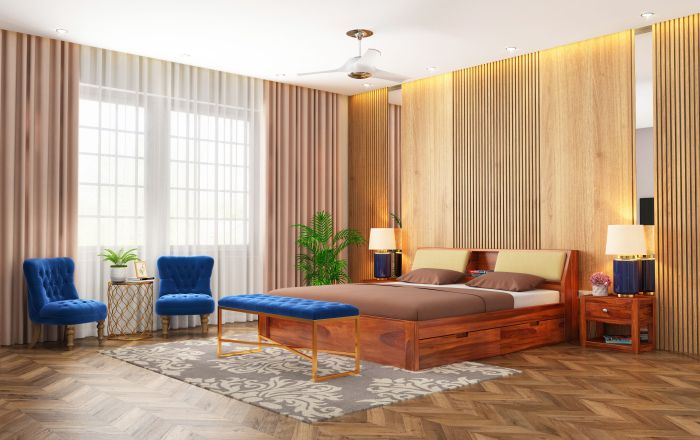
When it comes to room interior design, there are several popular styles that people often choose to create a specific look and feel in their living spaces. Each style has its unique characteristics and aesthetics, catering to different preferences and lifestyles.
Minimalist Style
The minimalist style focuses on simplicity, clean lines, and a clutter-free environment. It often features neutral colors, sleek furniture, and a sense of openness. This style is perfect for those who prefer a modern and uncluttered living space.
Scandinavian Style
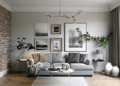
Scandinavian design is known for its simplicity, functionality, and connection to nature
Industrial Style
The industrial style draws inspiration from old factories and industrial spaces, featuring raw materials like exposed brick, metal, and unfinished wood. It often incorporates a mix of modern and vintage elements, creating a unique and edgy look. This style is perfect for those who enjoy a more urban and eclectic vibe.
Eclectic Style
The eclectic style is all about mixing and matching different design elements, colors, and textures to create a personalized and unique space. It often combines pieces from various styles and eras, resulting in a vibrant and visually interesting interior. This style is ideal for those who like to showcase their creativity and individuality in their home decor.
Choosing the Right Interior Style
When selecting an interior style for your room, consider your personal preferences, lifestyle, and the overall vibe you want to create. Think about what makes you feel comfortable and inspired, whether it's a minimalist, Scandinavian, industrial, or eclectic look. Experiment with different styles to find the one that resonates with you and reflects your personality.
Maximizing Space in Room Interiors
When dealing with small room interiors, it is essential to utilize space efficiently to create a functional and visually appealing environment. This can be achieved through strategic furniture selection, placement, and creative storage solutions.
Strategies for Maximizing Space in Small Room Interiors
When working with limited space, consider the following strategies to maximize the available area:
- Choose multifunctional furniture pieces that serve dual purposes, such as a sofa bed or a storage ottoman.
- Utilize vertical space by installing shelves or wall-mounted cabinets to free up floor space.
- Opt for furniture with exposed legs to create a sense of openness and airiness in the room.
- Use light colors for walls and furniture to make the room feel more spacious and bright.
Importance of Furniture Selection and Placement
The selection and placement of furniture play a crucial role in optimizing room space. Consider the following tips:
- Choose appropriately sized furniture that fits the scale of the room to avoid overcrowding.
- Place furniture strategically to create designated areas for different activities, such as seating, dining, and workspaces.
- Consider using furniture with storage capabilities, such as beds with built-in drawers or coffee tables with hidden compartments.
Creative Storage Solutions for Decluttering Room Interiors
Effective storage solutions can help declutter and organize small room interiors. Here are some creative ideas:
- Utilize under-bed storage containers or baskets to keep items out of sight but easily accessible.
- Install floating shelves or hooks on walls to hang bags, hats, or accessories and free up floor space.
- Use decorative storage boxes or baskets to conceal items while adding a stylish touch to the room.
- Consider investing in furniture pieces with built-in storage, such as ottomans with hidden compartments or benches with lift-up seats.
Last Word
As we conclude our exploration of room interior design, it's clear that the way we design our living spaces can significantly impact our well-being. By incorporating key elements, exploring different styles, and maximizing space, we can create rooms that reflect our personal style and enhance our quality of life.
Embrace the power of room interior design to create spaces that truly inspire and uplift you.
Common Queries
How does room interior design affect mood and productivity?
Room interior design can influence mood and productivity by creating spaces that are visually appealing, organized, and conducive to specific activities.
What are some popular room interior styles?
Popular room interior styles include minimalist, Scandinavian, industrial, and more, each with its unique features and aesthetics.
How can one maximize space in small room interiors?
Strategies such as using multi-functional furniture, utilizing vertical space, and implementing smart storage solutions can help maximize space in small room interiors.