In the realm of home maintenance, HVAC repair stands out as a crucial aspect that ensures our indoor comfort. From understanding the importance of regular maintenance to delving into the DIY repair tips, this comprehensive guide covers all you need to know about keeping your HVAC system in top shape.
As we explore the intricacies of HVAC repair, you'll gain valuable insights into diagnosing issues, cost considerations, and when it's best to seek professional help. Let's dive into the world of HVAC repair and equip ourselves with the knowledge to tackle any heating or cooling challenges that come our way.
Importance of HVAC Repair
Regular HVAC maintenance is crucial to ensure the efficient operation of your heating, ventilation, and air conditioning systems. Neglecting HVAC repair can lead to a range of consequences, from decreased energy efficiency to costly breakdowns. Let's explore some common issues that highlight the significance of timely HVAC repair.
Increased Energy Consumption
One of the main reasons for regular HVAC maintenance is to prevent increased energy consumption. A poorly maintained system has to work harder to heat or cool your space, resulting in higher energy bills.
Poor Indoor Air Quality
Neglecting HVAC repair can lead to poor indoor air quality due to dirty filters, ducts, or malfunctioning components. This can result in respiratory issues and allergies for occupants.
Uneven Heating or Cooling
If your HVAC system is not properly maintained, you may experience uneven heating or cooling in different areas of your home or building. This can create discomfort and temperature inconsistencies.
Shortened System Lifespan
Failure to address HVAC repair issues promptly can shorten the lifespan of your system. Regular maintenance can help prolong the life of your HVAC system and prevent premature replacements.
HVAC Repair Process
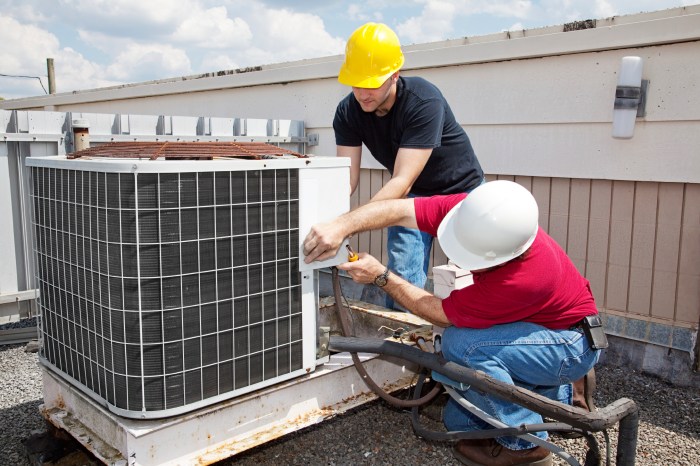
When it comes to HVAC repair, a systematic approach is crucial to accurately diagnose and fix any issues. Understanding the process involved in HVAC repair can help technicians efficiently troubleshoot and resolve problems.
Diagnosing HVAC Problems
To diagnose HVAC problems, technicians follow a series of steps to identify the root cause of the issue. This typically involves:
- Conducting a thorough inspection of the HVAC system to identify any visible signs of damage or malfunction.
- Using diagnostic tools such as multimeters, gauges, and thermometers to measure various parameters like temperature, pressure, and electrical currents.
- Performing tests to check the functionality of different components such as the compressor, blower motor, thermostat, and refrigerant levels.
- Analyzing the data collected to pinpoint the specific problem areas and determine the best course of action for repair.
Tools Needed for HVAC Repair
Having the right tools is essential for successful HVAC repair. Some of the common tools used by technicians include:
- Multi-meter: Used to measure voltage, current, and resistance in electrical circuits.
- Manifold gauge set: Used to measure pressure levels in refrigeration systems.
- Thermometer: Used to measure temperature variations in different parts of the HVAC system.
- Leak detector: Used to identify refrigerant leaks in the system.
Troubleshooting Common HVAC Issues
When troubleshooting HVAC problems, technicians often encounter common issues that can be resolved with some basic troubleshooting techniques. Some common HVAC problems and their troubleshooting steps include:
- Uneven cooling/heating:Check and clean air filters, ensure proper airflow, and inspect ductwork for leaks.
- Faulty thermostat:Verify power source, check batteries, and recalibrate settings if necessary.
- Refrigerant leaks:Use a leak detector to locate leaks, repair the damaged area, and recharge refrigerant levels.
- Noisy operation:Inspect and tighten loose components, lubricate moving parts, and clean the system for debris.
DIY HVAC Repair Tips
When it comes to DIY HVAC repair, it's essential to prioritize safety and follow proper guidelines to avoid accidents or further damage to your system. Here are some tips to help you navigate simple HVAC repairs on your own:
Safety Precautions for DIY HVAC Repair
- Always turn off the power: Before starting any repair work, make sure to turn off the power to your HVAC system to prevent electrical accidents.
- Wear protective gear: Use gloves, safety goggles, and appropriate clothing to protect yourself from any sharp edges or debris.
- Use the right tools: Make sure you have the correct tools for the job to avoid causing damage to your HVAC system or injuring yourself.
- Follow manufacturer's instructions: Refer to your system's manual for specific guidelines on maintenance and repair tasks.
Guidelines for Simple HVAC Repairs
- Clean or replace air filters: Regularly clean or replace air filters to ensure proper airflow and system efficiency.
- Check thermostat settings: Make sure your thermostat is set correctly and functioning properly to maintain a comfortable indoor temperature.
- Inspect ductwork for leaks: Check for any visible leaks or gaps in your ductwork and seal them to improve energy efficiency.
- Clear debris around outdoor unit: Remove any debris, leaves, or vegetation around your outdoor unit to allow proper airflow and prevent system breakdowns.
When to Hire a Professional for HVAC Repair
- Complex repairs: If the repair involves intricate technical knowledge or specialized equipment, it's best to hire a professional HVAC technician.
- Lack of experience: If you're unsure about how to proceed with a repair or lack the necessary skills, it's safer to rely on a professional for assistance.
- Safety concerns: For repairs that pose safety risks or require working with electrical components, it's recommended to seek professional help to avoid accidents.
Cost of HVAC Repair
When it comes to HVAC repair, the cost can vary depending on several factors. Understanding what influences the cost of HVAC repair, comparing repair costs versus replacement costs, and finding budget-friendly repair options can help you make informed decisions for your home.
Factors that Influence the Cost of HVAC Repair
- Extent of Damage: The severity of the issue and the parts or components that need to be repaired or replaced can greatly impact the overall cost.
- Age of the System: Older HVAC systems may require more expensive repairs due to outdated parts or components.
- Accessibility: Ease of access to the HVAC unit can affect labor costs, especially if technicians need to navigate tight spaces or difficult locations.
- Quality of Parts: Using high-quality, brand-name parts may increase the upfront cost but can lead to longer-lasting repairs.
Comparing the Cost of HVAC Repair versus Replacement
- Repair Costs: In some cases, repairing a part of the HVAC system may be more cost-effective than replacing the entire unit, especially if the system is relatively new and the issue is minor.
- Replacement Costs: If your HVAC system is older and requires frequent repairs, it may be more cost-efficient in the long run to invest in a new, energy-efficient unit.
- Consider Long-Term Savings: While the upfront cost of a replacement may be higher, newer models are often more energy-efficient, which can lead to lower utility bills over time.
Tips for Budget-Friendly HVAC Repair Options
- Regular Maintenance: Schedule routine maintenance to catch minor issues before they escalate into costly repairs.
- DIY Repairs: For minor issues like clogged filters or thermostat adjustments, consider tackling the repair yourself to save on labor costs.
- Get Multiple Quotes: Shop around and compare quotes from different HVAC repair companies to ensure you are getting a competitive price for the services needed.
Outcome Summary
As we wrap up this guide on HVAC repair, remember that a well-maintained system not only ensures your comfort but also prolongs the lifespan of your HVAC unit. By staying informed and proactive, you can address issues promptly and avoid costly repairs down the line.
Here's to a cozy and efficient home environment thanks to your newfound HVAC repair knowledge.
FAQ Resource
What are some common signs that indicate the need for HVAC repair?
Some common signs include strange noises, uneven heating or cooling, and a sudden spike in energy bills.
How often should HVAC maintenance be performed?
It's recommended to have your HVAC system serviced at least once a year to ensure optimal performance.
Can I attempt DIY HVAC repairs without professional help?
While simple tasks like changing air filters can be done by homeowners, complex repairs should be left to professionals to avoid further damage.