Diving into the realm of energy efficiency, this introduction sets the stage for a deep dive into the importance and strategies surrounding this crucial topic. From household tips to green building design, the following paragraphs will illuminate the path towards a more sustainable future.
Energy efficiency is not just a buzzword; it's a fundamental aspect of reducing our impact on the environment and cutting down on energy costs. Let's uncover the intricacies of energy efficiency and how it can benefit both our planet and our wallets.
The Importance of Energy Efficiency
Energy efficiency plays a crucial role in today's world as it helps in conserving our valuable resources and reducing environmental impacts.
Benefits of Energy Efficiency
- Reduced energy consumption leads to lower greenhouse gas emissions, helping combat climate change.
- Energy-efficient appliances and technologies can help individuals save money on their utility bills.
- Improved energy efficiency in buildings can enhance comfort levels and indoor air quality.
Impact of Energy Efficiency on Reducing Carbon Footprint
Increasing energy efficiency can significantly reduce carbon footprint by lowering the amount of energy required to perform various tasks. This results in decreased reliance on fossil fuels and a decrease in harmful emissions released into the atmosphere.
Strategies for Improving Energy Efficiency
Improving energy efficiency in households is crucial for reducing energy consumption and lowering utility bills. By implementing simple strategies, homeowners can make a significant impact on their energy usage.
Practical Tips for Enhancing Energy Efficiency
Implementing the following tips can help households improve their energy efficiency:
- Sealing windows and doors to prevent drafts and heat loss.
- Using energy-efficient appliances and lighting fixtures.
- Adjusting thermostat settings to reduce heating and cooling costs.
- Unplugging electronic devices when not in use to avoid standby power consumption.
- Utilizing natural light and ventilation whenever possible to reduce reliance on artificial lighting and cooling systems.
Comparison of Energy-Efficient Technologies for Homes
Various energy-efficient technologies are available for homes, each with its own benefits and considerations:
| Technology | Benefits | Considerations |
|---|---|---|
| Solar Panels | Generate renewable energy and reduce electricity bills. | High upfront costs and dependence on sunlight availability. |
| LED Lighting | Energy-efficient and long-lasting lighting option. | Higher initial investment compared to traditional bulbs. |
| Smart Thermostats | Allow for precise temperature control and energy savings. | Compatibility with existing HVAC systems and connectivity issues. |
Role of Smart Metering in Optimizing Energy Consumption
Smart meters play a crucial role in optimizing energy consumption by providing real-time data on energy usage. Homeowners can track their energy consumption patterns and make informed decisions to reduce wastage and improve efficiency. Additionally, smart metering allows for better monitoring and management of energy usage, leading to cost savings and environmental benefits.
Energy-Efficient Building Design
When it comes to designing energy-efficient buildings, there are key principles that architects and engineers need to consider. By incorporating passive design strategies, such as green roofs and proper insulation, buildings can maximize their energy efficiency and reduce their environmental impact.
Passive Design Strategies
Passive design strategies focus on using the building's natural surroundings to enhance energy efficiency. This includes elements like orientation, shading, ventilation, and thermal mass. By strategically placing windows to maximize natural light and ventilation, buildings can reduce their reliance on artificial lighting and mechanical cooling systems.
Additionally, incorporating thermal mass materials like concrete or brick can help regulate indoor temperatures by storing and releasing heat as needed.
Green Roofs and Insulation
Green roofs, also known as living roofs, are roofs covered with vegetation that provide insulation and reduce heat gain
Insulation, on the other hand, is essential for preventing heat transfer through walls, roofs, and floors. By investing in high-quality insulation materials, buildings can significantly reduce energy consumption and improve comfort levels for occupants.
Energy-Efficient Appliances and Lighting
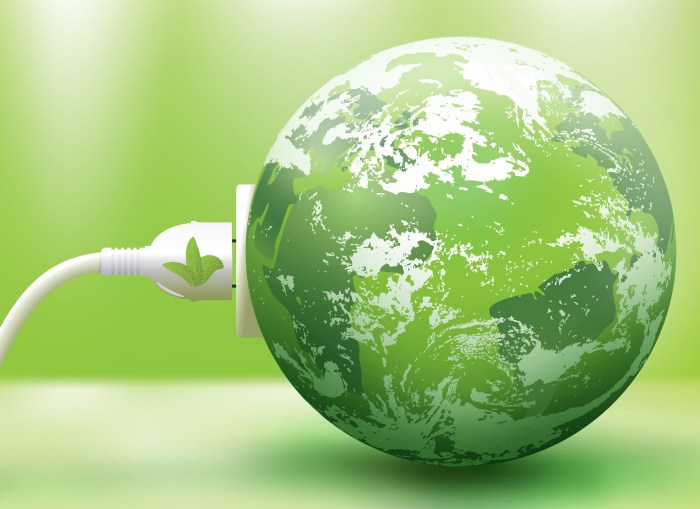
Energy-efficient appliances and lighting play a crucial role in reducing energy consumption and saving costs for households. By opting for energy-efficient options, individuals can contribute to environmental sustainability while enjoying the benefits of lower utility bills.
Energy-Efficient Appliances
Energy-efficient appliances are designed to consume less energy while providing the same level of performance as their traditional counterparts. These appliances are equipped with advanced technologies that optimize energy usage and reduce wastage.
- Energy Star certified refrigerators, washing machines, and dishwashers are popular choices for households looking to save energy.
- Front-loading washing machines and heat pump dryers are more energy-efficient compared to top-loading washers and traditional dryers.
- Induction cooktops are efficient alternatives to traditional gas or electric stoves, as they heat up faster and waste less energy.
Advantages of LED Lighting
LED lighting offers several advantages in terms of energy efficiency and durability. These lighting solutions have revolutionized the industry by providing significant energy savings and longevity.
- LED bulbs consume up to 80% less energy than traditional incandescent bulbs, making them a cost-effective choice for households.
- LED lighting fixtures have a longer lifespan, reducing the frequency of replacements and maintenance costs.
- LED bulbs are available in various color temperatures and designs, offering versatility in lighting options for different settings.
Energy-Saving Features in Modern Appliances
Modern appliances are equipped with innovative features that enhance energy efficiency and performance. These features aim to optimize energy usage and minimize environmental impact.
- Smart appliances with energy-saving modes and sensors adjust their operations based on usage patterns to conserve energy.
- Energy-efficient refrigerators with improved insulation and compressor technologies reduce electricity consumption and maintain consistent temperatures.
- Dishwashers with eco-friendly cycles and water-saving options help households save energy and water resources simultaneously.
Conclusion
As we wrap up our discussion on energy efficiency, it's clear that small changes in our daily habits and choices can lead to significant improvements in energy conservation. By implementing the strategies and tips shared in this guide, we can collectively work towards a greener and more sustainable future.
User Queries
How can energy efficiency benefit individuals?
Energy efficiency can lead to reduced energy bills, a more comfortable living environment, and a lower carbon footprint, ultimately benefiting both individuals and the environment.
What are some practical tips for enhancing energy efficiency at home?
Simple tips like sealing drafts, using energy-efficient appliances, and adjusting thermostat settings can go a long way in improving energy efficiency at home.
How does smart metering play a role in optimizing energy consumption?
Smart metering allows homeowners to track their energy usage in real-time, identify patterns, and make informed decisions to reduce energy consumption and costs.