Glass house sets the stage for this enthralling narrative, offering readers a glimpse into a story that is rich in detail and brimming with originality. From the architectural design to privacy concerns and sustainability aspects, the world of glass houses is as fascinating as it is complex.
Definition of Glass House
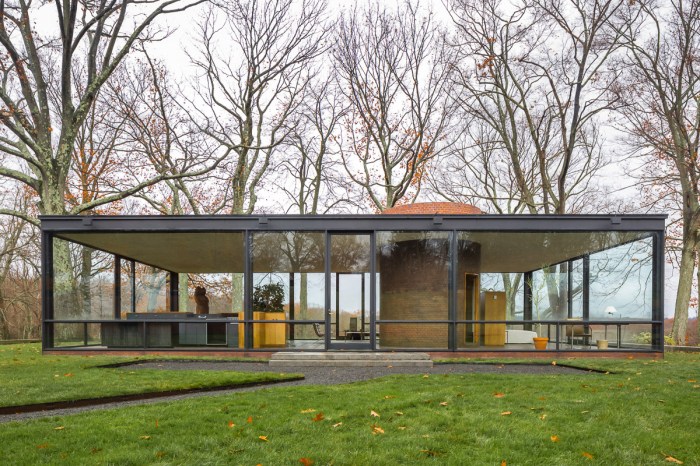
A glass house is a type of architectural structure where a significant portion of the building, such as walls or ceilings, is made of glass or transparent materials. This design allows for ample natural light to enter the space and provides a seamless connection between the indoor and outdoor environments.
Examples of Famous Glass House Architecture
Some famous examples of glass house architecture include:
- The Glass House in New Canaan, Connecticut, designed by architect Philip Johnson.
- Farnsworth House in Plano, Illinois, designed by Ludwig Mies van der Rohe.
- Villa Savoye in Poissy, France, designed by Le Corbusier.
Benefits and Challenges of Living in a Glass House
Living in a glass house comes with its own set of benefits and challenges:
- Benefits:
- Abundance of natural light, reducing the need for artificial lighting during the day.
- Enhanced connection to the surrounding environment, bringing nature indoors.
- Modern and aesthetic appeal, creating a unique living space.
- Challenges:
- Privacy concerns due to the transparent nature of the structure.
- Heat and glare control issues, especially in hot climates.
- Maintenance of glass surfaces, requiring regular cleaning and upkeep.
Architectural Design of Glass Houses
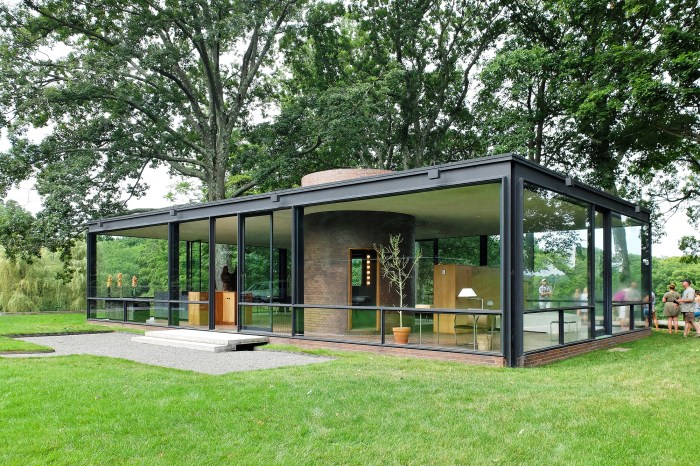
Glass houses are known for their unique architectural design that incorporates a high percentage of glass in the structure. These houses are characterized by their transparent or translucent walls, ceilings, and sometimes even floors, allowing for a seamless connection between the indoor and outdoor spaces.
The design of glass houses often focuses on maximizing natural light, creating a sense of openness, and blending the surrounding environment into the living space.
Architectural Features of Glass Houses
Glass houses commonly feature:
- Floor-to-ceiling windows: These windows allow for unobstructed views of the outdoors and flood the interior with natural light.
- Glass walls: Walls made entirely of glass or a combination of glass and other materials create a sense of transparency and openness.
- Sleek and minimalist design: Glass houses often have clean lines, simple shapes, and a modern aesthetic.
- Integration of nature: Glass houses are designed to bring the outdoors in, with features like indoor gardens, natural materials, and open floor plans.
Comparison with Traditional Houses
In contrast to traditional houses, glass houses:
- Are more focused on creating a connection with the outdoors.
- Utilize natural light as a key design element rather than relying solely on artificial lighting.
- Have a more modern and minimalist aesthetic with fewer walls and partitions.
- Offer panoramic views and a sense of spaciousness due to the transparency of the glass.
Utilization of Natural Light
Natural light plays a crucial role in the design of glass houses, providing numerous benefits such as:
- Reduced energy consumption: Maximizing natural light reduces the need for artificial lighting, resulting in lower energy bills.
- Health and well-being: Natural light has been linked to improved mood, productivity, and overall well-being.
- Connection to nature: Sunlight streaming into the house creates a warm and inviting atmosphere, connecting residents to the natural environment.
- Visual appeal: The play of light and shadow through glass walls adds a dynamic and visually stunning element to the design.
Privacy Concerns in Glass Houses
Living in a glass house can present unique challenges when it comes to privacy. The very nature of transparent walls can make occupants feel exposed and vulnerable. Let's explore some of the privacy issues associated with this architectural choice and strategies to address them.
Privacy Issues in Glass Houses
- Lack of physical barriers: Glass walls provide little to no visual obstruction, making it easy for people outside to see inside the house.
- Limited personal space: The transparent nature of glass houses can blur the lines between indoor and outdoor spaces, potentially compromising personal privacy.
- Increased visibility: Everyday activities such as cooking, relaxing, or working can be visible to neighbors or passersby, leading to a lack of seclusion.
Strategies for Maintaining Privacy
- Strategic placement of furniture: Positioning furniture strategically can create visual barriers and help define different living areas within a glass house.
- Use of curtains or blinds: Installing curtains or blinds can offer the flexibility to control visibility and provide privacy when needed.
- Landscaping for privacy: Planting trees, shrubs, or creating outdoor screens can help shield the glass house from prying eyes while enhancing the overall aesthetic.
Psychological Impact of Living in a Glass House
- Sense of constant visibility: The feeling of being watched or exposed can lead to heightened anxiety and discomfort among occupants.
- Lack of retreat: The transparent nature of glass houses may limit the sense of retreat or sanctuary that traditional homes with solid walls offer.
- Impact on well-being: Privacy concerns in glass houses can affect mental well-being, potentially leading to stress or a sense of vulnerability.
Sustainability and Energy Efficiency
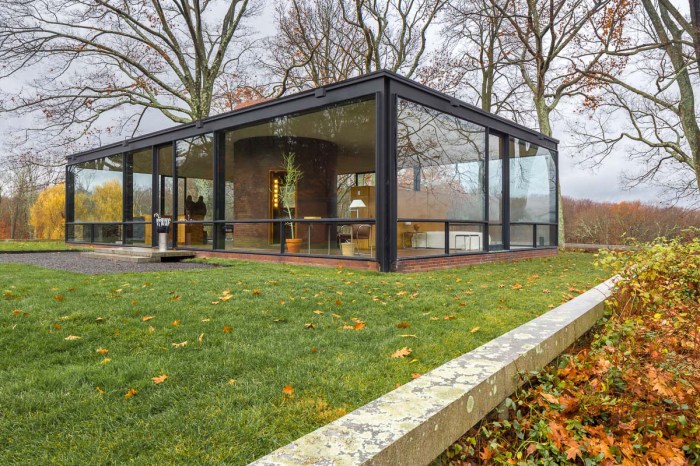
Glass houses are not just visually stunning architectural marvels; they can also be designed to be sustainable and energy-efficient. By incorporating the right technologies and practices, glass house construction can minimize its environmental impact and reduce energy consumption.
Sustainable Practices in Glass House Construction
- Use of recycled materials: Many glass house architects opt for recycled glass and other sustainable materials to reduce the carbon footprint of the construction process.
- Passive solar design: Glass houses can be strategically positioned to maximize natural light and heat gain, reducing the need for artificial lighting and heating.
- Green roofs: Installing green roofs on glass houses not only adds a touch of nature but also helps with insulation, reducing energy consumption for heating and cooling.
- Water conservation systems: Implementing rainwater harvesting systems and using greywater for irrigation can help reduce water consumption in glass houses.
Energy-Efficient Technologies in Glass House Designs
- High-performance glazing: Energy-efficient glass with low-emissivity coatings can help regulate indoor temperatures and reduce the need for heating and cooling.
- Solar panels: Integrating solar panels into the design of glass houses can generate renewable energy to power the home and reduce reliance on the grid.
- Smart home technology: Automated systems for lighting, heating, and cooling can optimize energy use in glass houses, adjusting settings based on occupancy and environmental conditions.
- Natural ventilation: Incorporating operable windows and vents allows for passive cooling and fresh air circulation, reducing the need for mechanical ventilation systems.
Last Recap
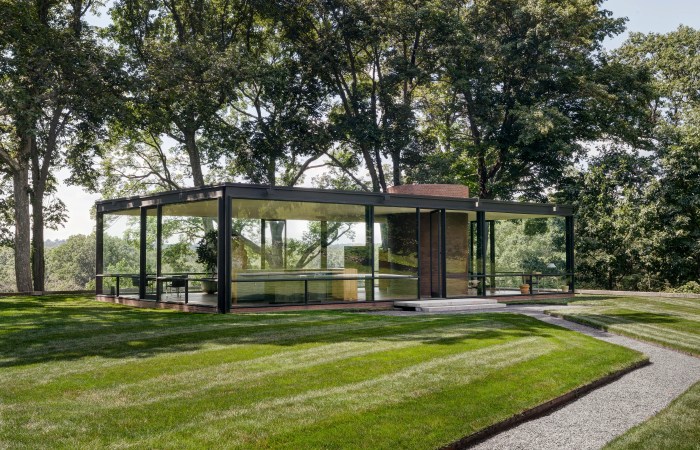
In conclusion, glass houses embody a unique blend of elegance and vulnerability. As we navigate through the transparency of these structures, we discover a world where light, privacy, and sustainability converge in a delicate dance. The allure of living in a glass house lies not just in its aesthetic appeal but in the deeper questions it raises about modern living.
Q&A
How do you maintain privacy in a glass house?
To maintain privacy in a glass house, strategic landscaping, frosted glass, and smart interior layout choices can be utilized.
What are some famous examples of glass house architecture?
Famous examples include the Farnsworth House by Mies van der Rohe and the Philip Johnson Glass House.
Are glass houses energy-efficient?
Glass houses can be energy-efficient with the use of technologies like solar panels and energy-efficient glass.