Step into the world of interior decor where creativity knows no bounds. From color schemes to furniture selection, this guide covers it all to help you transform your living space into a haven of style and comfort.
Discover the secrets to creating a harmonious and aesthetically pleasing environment that reflects your personal taste and enhances your everyday living experience.
Overview of Interior Decor
Interior decor refers to the art of enhancing the interior of a space to achieve a more aesthetically pleasing and functional environment. It involves selecting and arranging furniture, colors, textures, and accessories to create a cohesive and harmonious design.Interior decor is crucial in transforming a space into a place that reflects the personality and style of its inhabitants.
It can greatly influence the overall atmosphere and mood of a room, making it more inviting, comfortable, and visually appealing.
Importance of Interior Decor
Interior decor plays a significant role in creating a welcoming and comfortable environment in a space. It helps to reflect the personal style and preferences of the occupants while also enhancing the functionality of the room.
- By carefully selecting colors, furniture, and accessories, interior decor can make a small room appear larger or a large room feel more intimate.
- Well-designed interior decor can improve the flow of a space, making it easier to navigate and use efficiently.
- It can also have a positive impact on the mood and well-being of the occupants, creating a space that is calming, inspiring, or energizing, depending on the desired effect.
Elements of Interior Decor
Interior decor involves several key elements that work together to create a cohesive and visually appealing design. These elements include color, texture, lighting, furniture, accessories, and layout. Each element plays a crucial role in shaping the overall look and feel of a space.
Color
Color is one of the most powerful elements in interior decor as it sets the mood and tone of a room. Different colors can evoke different emotions and create various atmospheres. For example, warm colors like red, orange, and yellow can create a cozy and inviting feel, while cool colors like blue and green can make a space feel calm and serene.
By using a combination of colors, you can create a harmonious and balanced look in your decor.
Texture
Texture adds depth and visual interest to a room. It can be introduced through various materials such as wood, metal, fabric, or stone. Mixing different textures can create a dynamic and layered look. For example, pairing a smooth leather sofa with a chunky knit throw can add contrast and make the space more visually appealing.
Lighting
Lighting is essential in interior decor as it can influence the mood, ambiance, and functionality of a space. Natural light can make a room feel bright and airy, while artificial lighting can be used to create specific effects. By strategically placing different light sources such as overhead lights, floor lamps, and table lamps, you can highlight certain areas, create a focal point, or set the overall mood of the room.
Furniture
Furniture plays a significant role in interior decor by providing both functionality and style. The choice of furniture can define the overall aesthetic of a space. For example, a sleek and modern sofa can give a room a contemporary look, while a vintage piece can add character and charm.
The scale, proportion, and arrangement of furniture are also crucial in creating a balanced and well-designed space.
Accessories
Accessories such as artwork, rugs, pillows, and plants are the finishing touches that complete a room. They add personality, color, and texture to a space. By carefully selecting and arranging accessories, you can inject your personal style and create a cohesive and inviting environment.
Layout
The layout of a room determines how all the elements come together. It involves the arrangement of furniture, accessories, and other design elements to maximize functionality and flow. A well-thought-out layout considers the purpose of the space, traffic flow, and focal points.
By designing a thoughtful layout, you can ensure that the space not only looks good but also functions well for its intended use.
Color Schemes
When it comes to interior decor, color schemes play a crucial role in setting the mood and ambiance of a room. Different color combinations can evoke various emotions and impact the overall feel of the space. Choosing the right color scheme is essential to create a cohesive and visually appealing environment.
Popular Color Schemes
- Monochromatic: This scheme uses varying shades of a single color for a harmonious and soothing look.
- Analogous: Combining colors that are adjacent to each other on the color wheel creates a cohesive and balanced feel.
- Complementary: Pairing colors that are opposite each other on the color wheel adds contrast and visual interest.
- Triadic: Using three colors that are evenly spaced on the color wheel creates a vibrant and dynamic look.
How Different Color Schemes Affect Mood
- Warm colors like red, orange, and yellow can create a cozy and energetic atmosphere.
- Cool colors such as blue, green, and purple promote a sense of calm and relaxation.
- Neutral colors like white, beige, and gray provide a timeless and versatile backdrop for any style.
Tips for Choosing the Right Color Scheme
- Consider the function of the room and the mood you want to achieve.
- Take into account natural light and the size of the space when selecting colors.
- Use color swatches or paint samples to test different combinations before committing.
- Don't be afraid to experiment with bold or unexpected color choices to add personality to the room.
Furniture Selection
When it comes to interior decor, furniture selection plays a crucial role in defining the overall look and feel of a space. The right furniture not only enhances the aesthetics but also contributes to the functionality and comfort of the room.
Importance of Selecting the Right Furniture
Choosing the right furniture is essential as it sets the tone for the decor scheme. The style, size, and color of the furniture can either complement or clash with the existing decor, impacting the visual appeal of the space. Additionally, the functionality and comfort of the furniture are key factors to consider to ensure that the room serves its purpose effectively.
Guidelines for Choosing Complementary Furniture
- Consider the style and theme of the existing decor to ensure that the furniture aligns with the overall design aesthetic.
- Pay attention to the size and scale of the furniture pieces to maintain a balanced look in the room.
- Choose furniture that complements the color scheme of the space, either by matching or providing a contrast for visual interest.
- Opt for functional pieces that meet the needs of the room while adding to the visual appeal.
- Ensure that the furniture arrangement allows for easy movement and flow in the space.
Trends in Furniture Selection for Modern Interior Decor
Modern interior decor trends often focus on sleek and minimalistic furniture designs that offer a clean and contemporary look. Neutral color palettes, such as whites, grays, and earth tones, are commonly used to create a sense of calm and sophistication.
Multi-functional furniture pieces that serve dual purposes, such as storage ottomans or convertible sofa beds, are also popular choices for maximizing space in smaller rooms. Additionally, sustainable and eco-friendly materials are gaining popularity in furniture selection to promote environmental consciousness in interior design.
Accessories and Accents
Accessories and accents play a crucial role in interior decor, as they add personality, texture, and visual interest to a space. By carefully selecting and incorporating accessories, you can enhance the overall design and create a cohesive look that reflects your style and taste.
Common Accessories for Interior Decor
When it comes to accessorizing a room, there are several common items that are often used to enhance the design:
- Throw pillows and blankets
- Rugs and carpets
- Artwork and wall decor
- Candles and candle holders
- Plants and flowers
- Mirrors
Tips for Effective Incorporation of Accessories
Here are some tips to help you effectively incorporate accessories into a space:
- Choose accessories that complement the overall color scheme and style of the room.
- Use accessories to add pops of color and texture to create visual interest.
- Layer accessories in varying heights and sizes to create depth and dimension.
- Avoid clutter by selecting a few key pieces that make a statement rather than overcrowding the space.
- Consider the function of the accessories
they should not only look good but also serve a purpose in the room.
Lighting Design
Lighting plays a crucial role in interior decor as it can greatly affect the overall ambiance of a room. Different types of lighting serve specific purposes and can enhance the functionality and aesthetics of a space.
Types of Lighting
There are three main types of lighting used in interior design:
- Ambient Lighting: This provides overall illumination to a room and sets the general mood. It can come from ceiling-mounted fixtures, chandeliers, or wall sconces.
- Task Lighting: Task lighting is focused on specific areas where activities such as reading, cooking, or working take place. Desk lamps, under-cabinet lights, and pendant lights are examples of task lighting.
- Accent Lighting: Accent lighting is used to highlight specific objects, architectural features, or artwork in a room. Track lighting, wall-mounted fixtures, and spotlights are commonly used for accent lighting.
Impact of Lighting on Ambiance
The right lighting can completely transform the mood and feel of a room. For example, soft ambient lighting in a living room can create a cozy and inviting atmosphere for relaxation. On the other hand, bright task lighting in a kitchen can enhance visibility and functionality for cooking tasks.
Additionally, strategically placed accent lighting can draw attention to focal points in a room, adding depth and visual interest.
Space Planning and Layout
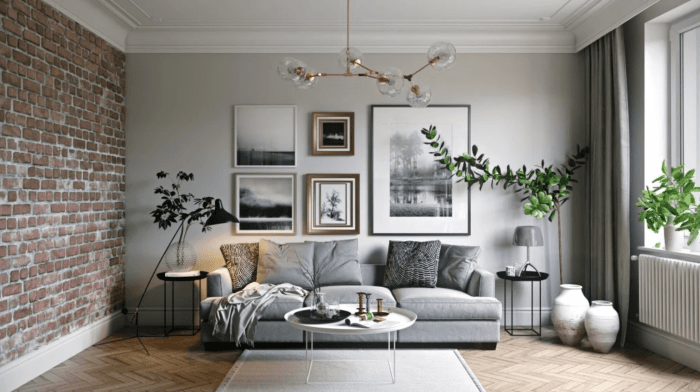
Space planning is a crucial aspect of interior decor that involves optimizing the available space in a room to create functional layouts that enhance both aesthetics and usability.
Importance of Space Planning
Effective space planning is essential as it helps in maximizing the functionality of a room while ensuring a harmonious flow between different areas. By carefully planning the layout, you can create a space that is both visually appealing and practical for everyday use.
Techniques for Optimizing Space
- Consider the function of the room and prioritize the essential furniture and elements.
- Use furniture that serves multiple purposes, such as storage ottomans or nesting tables.
- Utilize vertical space with shelves or wall-mounted storage solutions.
- Create zones within a room for different activities, such as a reading nook or a work area.
Creating Functional Layouts
- Open layouts with minimal furniture can make a room feel more spacious and airy.
- Balance the placement of furniture to allow for easy movement and access to different areas.
- Experiment with different furniture arrangements to find the most functional layout for your space.
Closing Summary
Elevate your space with the power of interior decor. By incorporating the right elements, colors, and lighting, you can truly make your house feel like a home. Let your creativity shine as you design a space that speaks volumes about who you are.
General Inquiries
How do I choose the right color scheme for my room?
Consider the mood you want to evoke and the existing elements in the space. Test out samples before committing to a color.
What are some common accessories used in interior decor?
Popular accessories include throw pillows, rugs, wall art, and decorative vases.
Why is lighting important in interior decor?
Lighting can enhance the ambiance of a room, highlight key features, and create different moods.