As interior design takes center stage, this opening passage beckons readers into a world crafted with good knowledge, ensuring an absorbing and distinctly original reading experience. From defining the essence of interior design to exploring its impact on our daily lives, this article delves deep into the art and science of creating captivating spaces.
Definition of Interior Design
Interior design is the art and science of enhancing the interior of a space to achieve a healthier and more aesthetically pleasing environment for the people using it. It involves planning, researching, coordinating, and managing various elements to create a space that is functional and beautiful.
Importance of Interior Design
Interior design plays a crucial role in transforming a space into a comfortable and visually appealing area that meets the needs and preferences of its users. Here are some examples of how interior design can enhance a space:
- Optimizing the layout and flow of a room to maximize functionality and efficiency.
- Selecting colors, textures, and materials that create a cohesive and harmonious atmosphere.
- Incorporating lighting that enhances the mood and ambiance of a space.
- Choosing furniture and decor that reflect the style and personality of the occupants.
Impact on People’s Mood and Productivity
Interior design has a significant impact on people's mood, behavior, and productivity. A well-designed space can evoke positive emotions, reduce stress, and improve overall well-being. For example, a room with warm colors and comfortable furniture can create a cozy and inviting atmosphere, while a clutter-free and organized workspace can boost focus and efficiency.
By considering the psychological and emotional aspects of design, interior designers can create spaces that positively influence the lives of those who inhabit them.
Elements of Interior Design
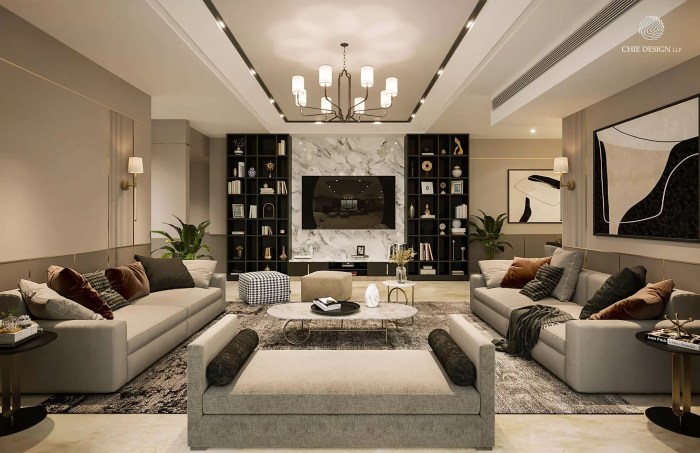
Interior design is a multifaceted discipline that involves a combination of various elements to create a harmonious and aesthetically pleasing space. The key elements of interior design include color, lighting, furniture, and texture. Each of these elements plays a crucial role in shaping the overall look and feel of a room.
Color
Color is one of the most powerful tools in interior design as it has the ability to evoke emotions, set the mood, and create a sense of cohesion within a space. Different colors can impact the perception of size and shape of a room.
Warm colors like red, orange, and yellow can create a cozy and inviting atmosphere, while cool colors like blue and green can make a space feel more serene and spacious.
Lighting
Lighting is essential in interior design as it not only illuminates a space but also enhances the overall ambiance. Proper lighting can highlight architectural features, create focal points, and influence the mood of a room. Natural light is ideal for creating a sense of openness and connection to the outdoors, while artificial lighting can be used to add warmth and depth to a space.
Furniture
Furniture serves both a functional and aesthetic purpose in interior design. The selection and arrangement of furniture can define the layout of a room, provide comfort, and reflect the style of the space. The scale, proportion, and materials of furniture pieces all contribute to the overall design scheme.
Texture
Texture adds depth and dimension to a room by stimulating the sense of touch. It can be introduced through textiles, finishes, and materials to create visual interest and contrast. Mixing different textures like smooth surfaces with rough finishes can create a dynamic and inviting space.Incorporating these elements in interior design allows for the creation of diverse styles such as minimalist, traditional, modern, or eclectic.
Each style utilizes color, lighting, furniture, and texture in unique ways to achieve a cohesive and visually appealing design. By understanding the role of these elements, designers can create spaces that not only look beautiful but also function effectively for their intended purpose.
Principles of Interior Design
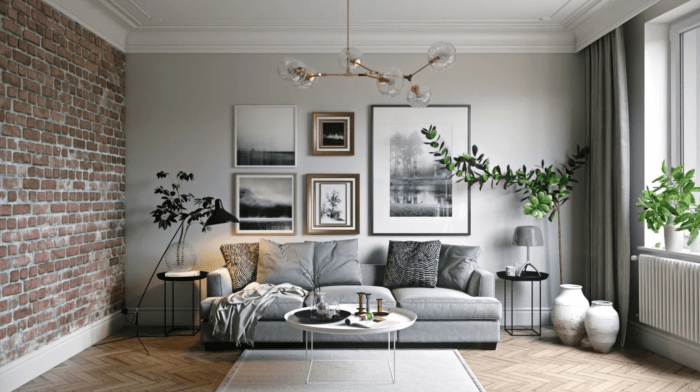
In interior design, principles like balance, harmony, emphasis, and rhythm play a crucial role in creating aesthetically pleasing and functional spaces. Understanding these principles is essential for designers to achieve successful designs that resonate with the occupants.
Balance
Balance in interior design refers to the distribution of visual weight in a room. There are three types of balance: symmetrical, asymmetrical, and radial. Symmetrical balance involves an equal distribution of objects on either side of a central line, creating a sense of stability.
Asymmetrical balance, on the other hand, involves different objects with equal visual weight placed strategically to achieve balance. Radial balance is achieved by arranging elements around a central point, like a spiral staircase or a circular chandelier.
Harmony
Harmony in interior design involves creating a sense of unity and cohesion in a space. This can be achieved through color schemes, patterns, textures, and styles that work together harmoniously. For example, using a consistent color palette throughout a room can create a harmonious and cohesive look.
Emphasis
Emphasis is about creating a focal point in a room that draws attention and creates visual interest. This can be achieved through a bold piece of furniture, a statement wall, or a unique lighting fixture. By creating a focal point, designers can guide the viewer's eye and create a dynamic and engaging space.
Rhythm
Rhythm in interior design is about creating a sense of movement and flow throughout a space. This can be achieved through repetition, progression, and contrast. For example, repeating patterns or shapes can create a sense of rhythm, while gradually increasing the scale of objects can create a sense of progression.
Contrast, such as combining different textures or colors, can also create a dynamic rhythm in a room.By understanding and applying these principles of interior design, designers can create spaces that are not only visually appealing but also functional and harmonious.
Each principle plays a vital role in shaping the overall look and feel of a space, allowing designers to create environments that cater to the needs and preferences of the occupants.
Interior Design Styles
When it comes to interior design, there are various styles that can be incorporated to create unique and aesthetically pleasing spaces. Each style has its own characteristics and elements that distinguish it from others, allowing homeowners to choose a style that best suits their preferences and needs.
Modern Style
Modern interior design is characterized by clean lines, minimalism, and a focus on functionality. This style often incorporates neutral colors, sleek furniture, and an overall sense of simplicity. To incorporate modern style into a space, opt for furniture with angular shapes, use a monochromatic color palette, and include elements like metal accents and glass surfaces.
Minimalist Style
Minimalist interior design focuses on simplicity, functionality, and the idea that less is more. This style often features a limited color palette, uncluttered spaces, and a focus on clean, straight lines. To achieve a minimalist look, declutter your space, choose furniture with simple silhouettes, and incorporate natural materials like wood and stone.
Traditional Style
Traditional interior design is known for its classic and timeless appeal. This style often features rich colors, ornate furniture, and intricate details. To create a traditional look, opt for furniture with curved lines, use warm and inviting colors like deep reds and greens, and include elements like crown molding and decorative textiles.
Eclectic Style
Eclectic interior design is all about mixing and matching different styles, colors, and patterns to create a one-of-a-kind look. This style allows for more creativity and personalization, as it combines elements from various design styles. To embrace an eclectic style, mix vintage and modern furniture pieces, experiment with bold colors and patterns, and showcase unique decor items that reflect your personality.
Interior Design Process
When it comes to creating an interior design plan, there is a systematic process that designers follow to ensure a successful outcome. This process involves various steps that help in translating the client's needs and preferences into a cohesive design concept.
Importance of Space Planning
Space planning is a crucial aspect of interior design as it involves mapping out how the available space will be utilized effectively. It helps in ensuring that the layout is functional, efficient, and aesthetically pleasing.
Mood Boards and Color Schemes
Mood boards and color schemes play a significant role in setting the tone and feel of the design. Mood boards help in visualizing the overall look and feel of the space, while color schemes determine the color palette that will be used throughout the design.
Working with Clients
Working with clients is essential in interior design as it involves understanding their preferences, lifestyle, and budget constraints. Designers need to effectively communicate and collaborate with clients to ensure that their needs are met and translated into the final design concept.
Closure
In conclusion, interior design is a dynamic field that plays a crucial role in shaping our environments and enhancing our well-being. By understanding its principles, exploring various styles, and following a structured design process, anyone can transform a space into a masterpiece of design and functionality.
Dive into the realm of interior design and unleash your creativity today.
Commonly Asked Questions
What is the significance of interior design?
Interior design is crucial as it not only beautifies a space but also influences our mood, productivity, and overall well-being.
How can color impact interior design?
Colors can evoke emotions, create illusions of space, and set the tone for a room, making them a powerful tool in interior design.
What are some key elements of interior design?
Key elements include color, lighting, furniture, and texture, each playing a vital role in creating a cohesive and aesthetically pleasing design.
How can interior design principles guide the design process?
Principles like balance, harmony, emphasis, and rhythm provide a framework for creating visually appealing and functional designs.
What are some popular interior design styles?
Popular styles include modern, minimalist, traditional, and eclectic, each with its unique characteristics and design elements.