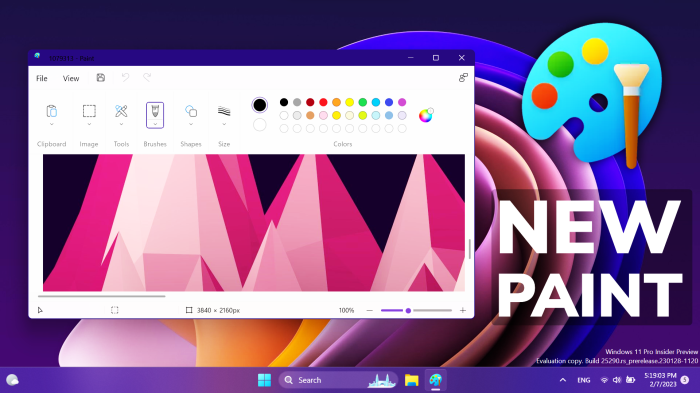
Delve into the realm of digital artistry with paint applications, where creativity knows no bounds. From essential tools to advanced techniques, this exciting journey promises to unlock new possibilities and unleash your artistic potential.
Discover the magic behind creating stunning artwork and masterpieces through the innovative features and intuitive design of paint applications.
Introduction to Paint Applications
Paint applications refer to software programs or mobile applications that allow users to digitally create, edit, and manipulate visual artworks, such as drawings, illustrations, and graphic designs. These applications offer a wide range of tools and features to help artists and designers bring their creative ideas to life.Some popular paint applications in the market include:
Adobe Photoshop
Known for its advanced editing tools and capabilities, Photoshop is widely used by professionals for photo editing, graphic design, and digital painting.
Procreate
A powerful painting app designed for iPad users, Procreate offers a wide variety of brushes, layers, and effects for creating stunning digital artworks.
Corel Painter
This application simulates traditional painting techniques, making it a favorite among artists who want to replicate the look and feel of traditional media on a digital canvas.Various features typically found in paint applications include:
Brush tools
Different types of brushes for creating various textures and effects.
Layers
Allows users to work on different elements of the artwork separately for easy editing.
Selection tools
Enable users to select and manipulate specific areas of the image.
Filters and effects
Enhance the overall look of the artwork with a variety of filters and effects.
Pen pressure sensitivity
Mimics the pressure sensitivity of traditional drawing tools for more realistic results.
Advanced Editing Tools
Paint applications often come equipped with advanced editing tools such as masking, blending modes, and color adjustments to give users more control over their artwork.
Integration with Cloud Services
Many paint applications offer integration with cloud services, allowing users to easily save and access their work across multiple devices for seamless workflow.
Tools and Features in Paint Applications
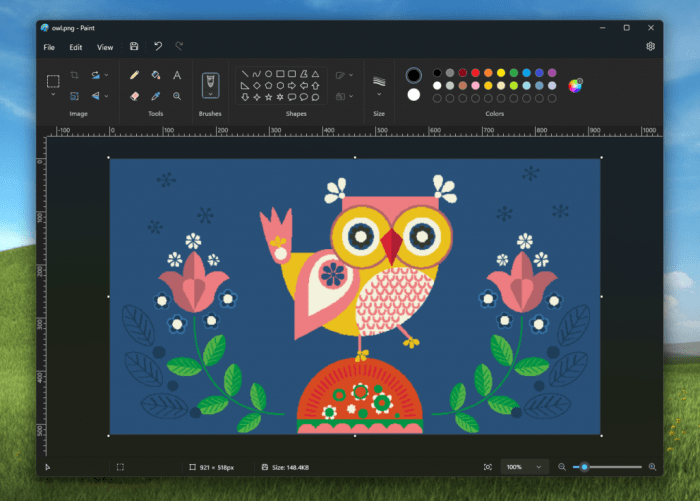
Paint applications offer a variety of tools and features that allow users to create digital artwork with ease. These tools are essential for manipulating images, adding effects, and enhancing creativity. Let's explore some of the key tools and features commonly found in paint applications.
Brushes
Brushes are one of the fundamental tools in paint applications, allowing users to apply color and texture to their digital canvas. Users can choose from a wide range of brush types, sizes, and shapes to achieve different effects. Brushes can emulate traditional painting techniques such as oil painting, watercolor, and airbrushing.
They are essential for creating strokes, blending colors, and adding details to artwork.
Shapes
Shapes tools in paint applications enable users to create geometric shapes such as rectangles, circles, polygons, and lines. These tools are useful for adding structure and precision to artwork, as well as creating patterns and designs. Shapes can be easily customized in terms of size, color, and orientation.
They are often used in graphic design, illustration, and digital painting to create basic elements and compositions.
Layers
Layers are a powerful feature in paint applications that allow users to work on different parts of their artwork separately. Each layer can contain specific elements, such as images, text, or effects, which can be edited independently. Layers can be rearranged, hidden, or merged to control the visibility and organization of content.
They are essential for non-destructive editing, experimentation, and creating complex compositions.
User Interface and Navigation
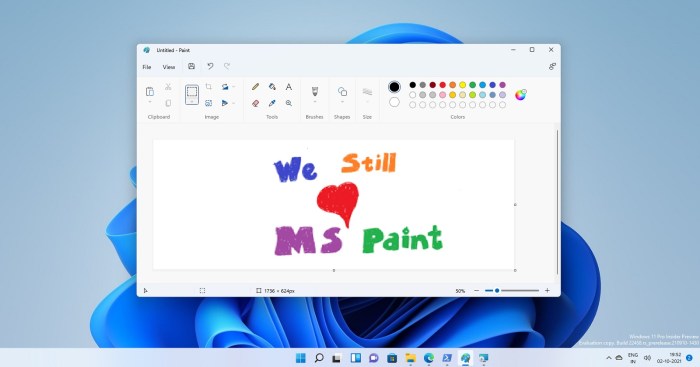
When it comes to a typical paint application, the user interface plays a crucial role in providing a seamless experience for users. The design of the interface, as well as the navigation options, significantly impact how users interact with the software.
User Interface Design
The user interface of a paint application usually consists of a canvas where users can create their artwork, along with a variety of tools and options surrounding the canvas. These tools often include brushes, colors, shapes, text, and various editing functions.
The interface is designed to be visually appealing and user-friendly, with easy access to all the necessary features.
Navigation Through Menus and Options
Users navigate through different menus and options in a paint application by using the toolbar or menu bar located at the top of the screen. These menus contain various functions such as file management, editing tools, and customization options. By clicking on the menus, users can access submenus and specific features to enhance their artwork.
Importance of Intuitive Design
Intuitive design is crucial in paint application user interfaces as it helps users easily understand and navigate through the software. An intuitive interface reduces the learning curve for new users and allows them to focus on their creativity rather than struggling to find the right tools.
By placing commonly used functions in easily accessible locations and using familiar icons and symbols, intuitive design enhances the overall user experience.
Advanced Techniques and Functions
When it comes to paint applications, mastering advanced techniques and functions can take your creative projects to the next level. Let's dive into some of the key features that can enhance your artistic capabilities.
Blending Modes and Filters
Blending modes and filters are powerful tools that allow you to create unique visual effects and enhance the overall look of your artwork. By experimenting with different blending modes, you can achieve interesting color combinations and textures. Filters, on the other hand, enable you to apply various effects such as blurring, sharpening, or distorting your images.
Masking and Selection Tools
Masking and selection tools are essential for precise editing and manipulation of elements within your artwork. With masking, you can selectively hide or reveal parts of an image, enabling you to seamlessly blend different elements together. Selection tools, on the other hand, allow you to accurately isolate specific areas for editing or applying effects.
Text Editing
Text editing capabilities in paint applications provide you with the flexibility to add textual elements to your artwork. Whether you're creating digital graphics, posters, or illustrations, the ability to customize and manipulate text can significantly enhance the visual impact of your designs.
From adjusting font styles and sizes to incorporating effects like shadows and Artikels, text editing opens up a wide range of creative possibilities.
Exporting and Sharing Artwork
When it comes to sharing your artwork created in paint applications, it's important to understand the various options available for exporting and sharing. This allows you to showcase your work to a wider audience and potentially gain recognition for your creativity.
Exporting Artwork
- One common option for exporting artwork is to save it as an image file, such as JPEG or PNG. This makes it easy to share your creations through email or messaging apps.
- Another option is to export your artwork as a PDF file, which can be useful if you want to maintain the quality and resolution of your work.
- Saving your artwork in a vector format, like SVG, allows for scalability without losing quality, making it ideal for printing or resizing.
Sharing Capabilities
- Many paint applications offer built-in sharing capabilities that allow you to directly post your artwork to social media platforms like Facebook, Instagram, or Twitter.
- Integration with cloud storage services such as Google Drive or Dropbox enables you to easily share your artwork with others or access it from different devices.
Optimizing Artwork for Different Platforms
- When sharing on social media, consider optimizing your artwork for each platform's specific requirements, such as image dimensions and file size limits.
- Adding relevant tags, descriptions, and hashtags can help increase the visibility of your artwork and attract a larger audience.
- For sharing on websites or online portfolios, ensure that your artwork is presented in a visually appealing and professional manner to make a lasting impression on viewers.
Customization and Settings
When using paint applications, users have the option to customize various settings to suit their preferences and enhance their overall workflow. Personalizing the workspace and adjusting settings can greatly improve efficiency and optimize performance.
Customization Options
- Users can change the color theme of the interface to create a more visually appealing workspace.
- Custom brushes, patterns, and textures can be added or modified to cater to individual artistic styles.
- Keyboard shortcuts can be customized to streamline common tasks and improve productivity.
- Workspace layout and tool arrangement can be adjusted to prioritize frequently used tools for quick access.
Personalizing Workspace and Settings
- Users can rearrange tool palettes, windows, and panels to create a workspace that suits their workflow.
- Adjusting brush settings, opacity levels, and blending modes can help achieve desired artistic effects.
- Customizing grid settings, rulers, and guides can assist in precise alignment and composition of artwork.
- Setting up favorite brushes, colors, and patterns for quick selection can save time during the creative process.
Importance of Adjusting Settings
- Optimizing settings can improve performance and responsiveness of the paint application, leading to a smoother user experience.
- Customizing settings according to individual preferences can enhance creativity and enable users to express their unique style effectively.
- Adjusting settings for optimal performance can prevent lags, crashes, or other technical issues that may hinder the creative process.
- Personalizing the workspace and settings can make the painting process more intuitive and enjoyable for users, fostering a productive and inspiring environment.
Final Summary
As we conclude our exploration of paint applications, remember that the canvas is limitless and your imagination boundless. Embrace the tools, unleash your creativity, and paint your world with vibrant colors of artistic expression.
Key Questions Answered
How can I optimize my artwork for different platforms?
Optimize your artwork by adjusting the resolution and format based on the platform requirements for the best viewing experience.
What are blending modes in paint applications?
Blending modes allow you to mix colors and create unique effects by changing how colors interact with each other in your artwork.
Why is intuitive design important in paint application user interfaces?
Intuitive design ensures that users can easily navigate through menus and options, enhancing the overall user experience and workflow efficiency.